

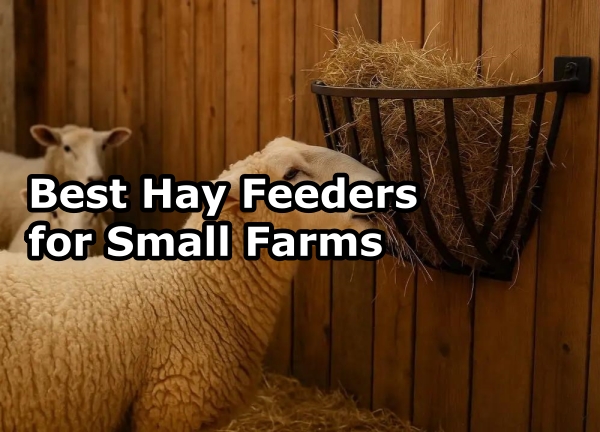
A good hay feeder is essential for keeping hay clean, organized, and easily accessible for livestock. Whether you raise goats, sheep, rabbits, or horses, the right feeder can help reduce waste while improving daily feeding efficiency. From a simple wall mount hay feeder in a barn to a round bale hay feeder used outdoors, different designs are made to suit different animals and feeding environments.
Without a proper feeder, hay often ends up scattered on the ground where it can become dirty, damp, or trampled. This not only wastes feed but can also create an unhealthy feeding area for animals. Using a well-designed slow hay feeder, metal hay feeder, or hanging hay feeder can help keep hay off the ground and make feeding more controlled. Over time, wasted hay can add up to significant costs, making an efficient hay feeder a smart long-term investment.
In this guide, we’ll explore some of the best hay feeders for small farms and backyard livestock, including options suitable as a goat hay feeder, sheep hay feeder, or even a rabbit hay feeder. These feeders come in various styles, such as wall-mounted racks, slow-feed nets, pasture feeders, and multi-purpose designs.
Note: The products listed in this guide are not ranked in a specific order.
5 Best Hay Feeders That Reduce Waste for Small Livestock
Table of contents
How to Choose the Best Hay Feeder
Quick Comparison: Best Hay Feeders
Best Wall Mounted Hay Feeder——Tough-1 Hay Hoops Feeder
Best Multi-Purpose Hay Feeder——Garvee 2-in-1 Hay Feeder
Best Slow Feed Hay Net——Weaver Leather Slow Feed Hay Net
Best Outdoor Hay Feeder——Rugged Ranch Pasture Feeder
Best Portable Hay Feeder——Derby Originals Supreme 4-Sided Slow Feed Hay Bag
FAQ About Hay Feeders
Final Thoughts: Choosing the Right Hay Feeder for Your Needs
How to Choose the Best Hay Feeder
Choosing the right hay feeder depends on your livestock, feeding setup, and how much hay you want to save. With so many options available—from wall-mounted racks to slow feed hay nets—it’s important to understand what works best for your needs.
1. Choose the Right Type of Hay Feeder
Different feeder styles are designed for different environments:
● Wall mount hay feeder – Ideal for barns and stalls, helps keep hay off the ground
● Slow feeder hay net – Reduces waste and controls feeding speed
● Pasture or hay bale feeder – Best for outdoor use and larger feeding areas
● Portable hay feeder – Great for travel, trailers, or flexible setups
Selecting the right type ensures your animals can feed comfortably while minimizing waste.
2. Match the Feeder to Your Animals
Different livestock have different feeding habits:
● Goat hay feeder – Works best with racks or slow feeders to reduce waste
● Horse hay feeder – Often paired with slow feeders or wall-mounted designs
● small animal feeder – Requires smaller, more compact designs
Choosing a feeder that fits your animals helps improve feeding efficiency and reduces mess.
3. Consider Capacity and Feeding Volume
Think about how much hay you feed daily:
● Small-capacity feeders – Ideal for stalls, small farms, or backyard livestock
● Hay bale feeder – Suitable for feeding multiple animals at once
Larger feeders reduce refill frequency but may take up more space.
4. Look for Waste-Reducing Features
One of the biggest reasons to use a hay feeder is to reduce waste.
● No waste hay feeder designs help keep hay contained
● Slow hay feeders prevent animals from pulling out too much hay
● Feeders with trays or pans catch dropped hay
Reducing waste can save money and keep feeding areas cleaner.
5. Choose the Right Material
Material affects durability and maintenance:
● Metal hay feeder – Strong, durable, and ideal for outdoor or long-term use
● Hay net – Lightweight, portable, and great for slow feeding
Choose a material that matches your environment and how often you feed.
By selecting the right hay feeder based on type, animal, capacity, waste control, and material, you can create a cleaner feeding setup, reduce hay loss, and improve overall efficiency on your farm.
Quick Comparison: Best Hay Feeders
| Product | Type | Material | Key Benefit |
| Tough-1 Hay Hoops | Wall Mount | Cotton | Keeps hay off ground & reduces waste |
| Garvee 2-in-1 | Wall Mount | Carbon steel | Multi-purpose feeding |
| Weaver Hay Net | Hay net | Nylon | Slows feeding & reduces waste |
| Rugged Ranch | Pasture | Galvanized steel | Weather-resistant & reduces waste |
| Derby Hay Bag | Portable | Metal, Nylon, Rubber | Portable slow feeding |
Best Wall Mounted Hay Feeder——Tough-1 Hay Hoops Feeder
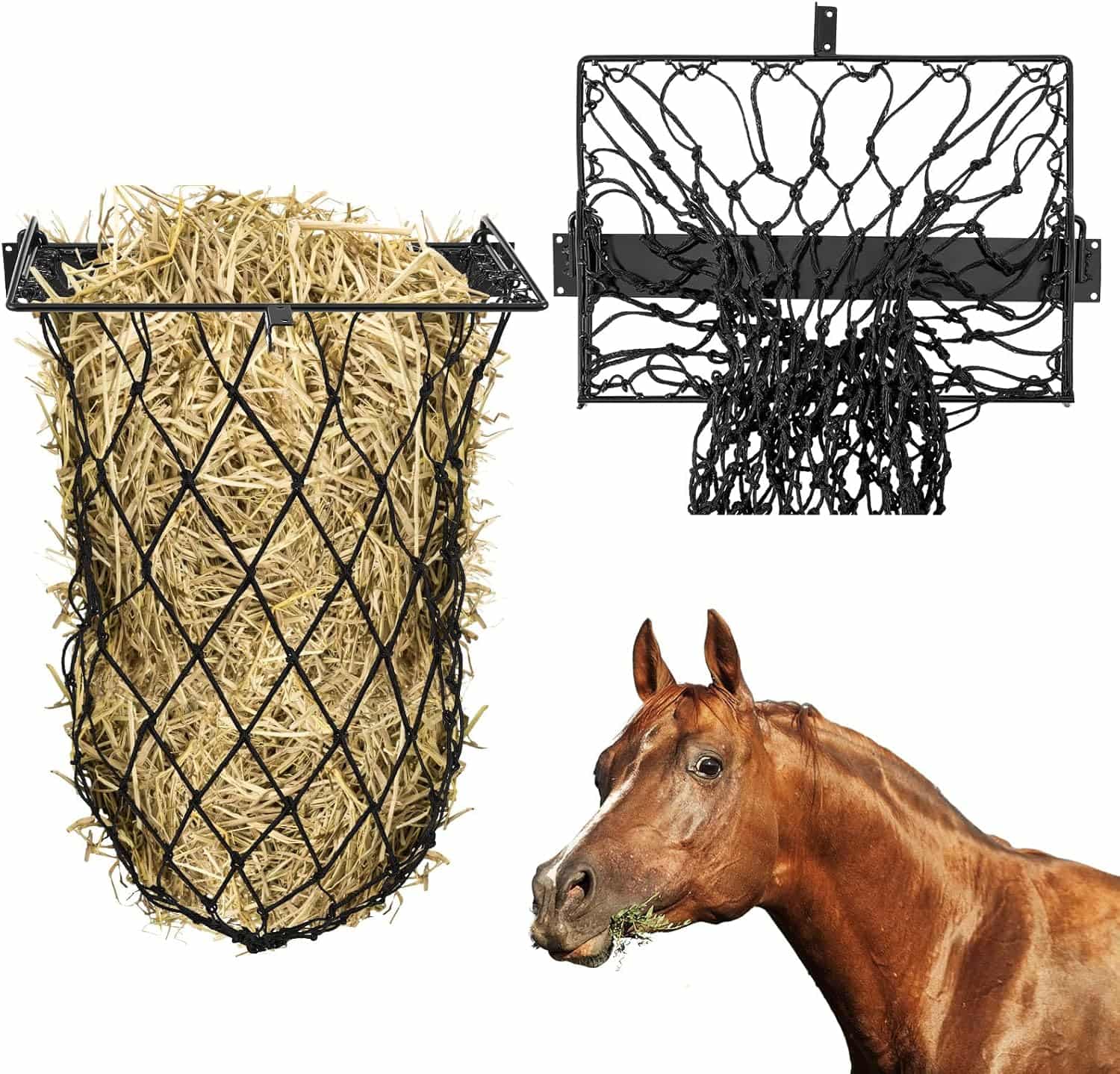
The Tough-1 Hay Hoops is a practical wall mount hay feeder designed to keep hay off the ground and reduce feeding waste in stalls or barns. Its sturdy steel frame holds a slow feeder hay net, allowing animals to pull hay gradually instead of scattering it across the floor.
This design makes it a reliable hay feeder for horses and other livestock that are commonly fed in stalls. By keeping hay elevated and contained, it helps maintain a cleaner feeding area while making daily feeding easier for farm owners.
Why We Like It
This wall-mounted hay feeder combines durability with a space-saving design. The collapsible frame folds flat when not in use, which is especially useful in smaller barns or stalls. The included slow feeder hay net also helps control feeding speed and reduces hay waste.
Key Features
● Collapsible wall mount hay feeder design
● Includes durable slow feeder hay net
● Heavy-duty steel construction
● Ideal for stall feeding setups
Pros
✔ Space-saving wall-mounted design
✔ Helps reduce hay waste
✔ Keeps hay cleaner and off the ground
Cons
✘ Hay net may need replacement over time
Best Multi-Purpose Hay Feeder——Garvee 2-in-1 Hay Feeder
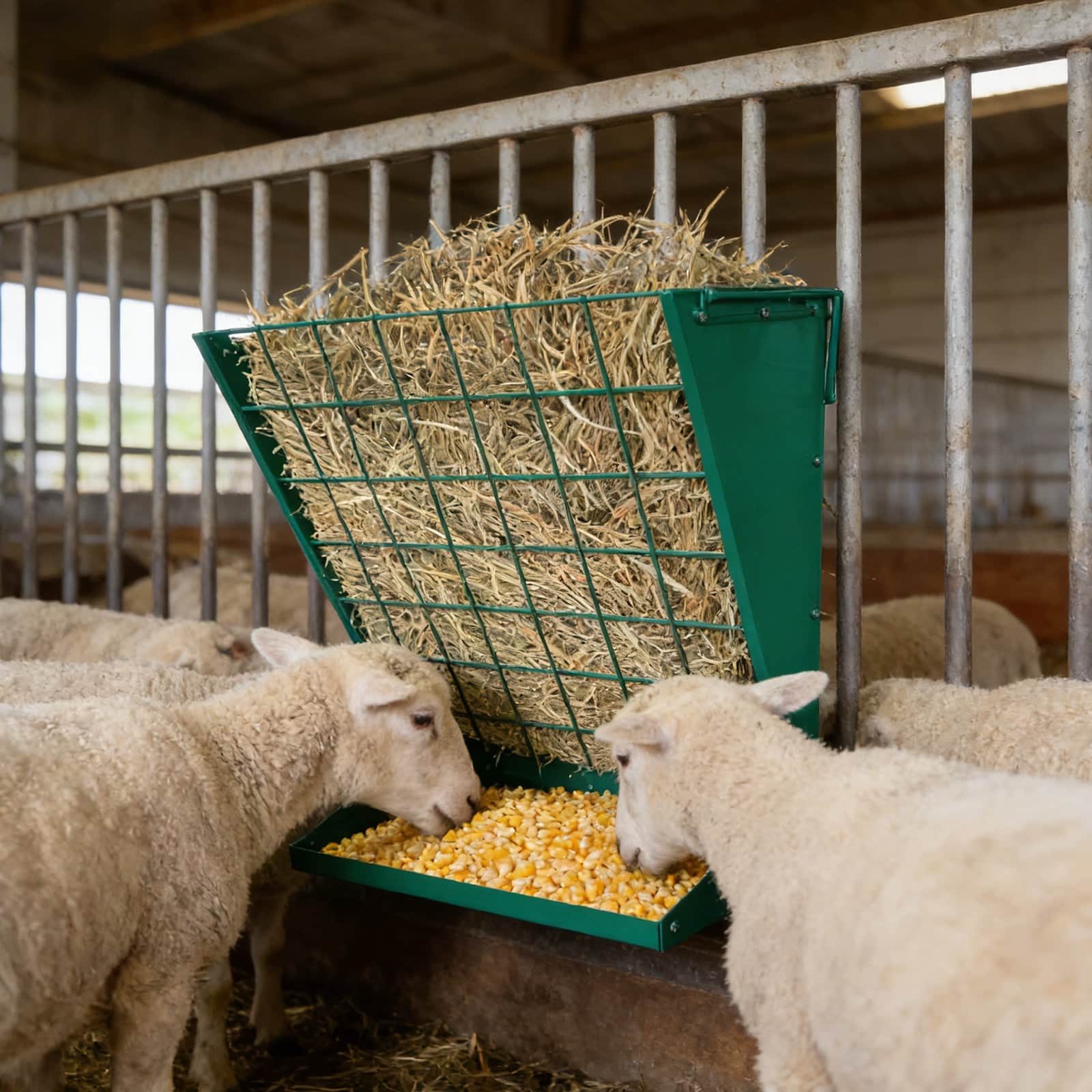
The Garvee 2-in-1 Hay Feeder is a versatile hay feeder designed for small farms and backyard livestock setups. Its smart design combines a hay rack with a lower feed trough, allowing farmers to offer both hay and grain in a single feeding station. By keeping hay elevated and feed contained, it helps prevent animals from pulling hay onto the ground where it can be wasted.
This practical layout makes it a convenient option as a goat hay feeder, sheep hay feeder, or general livestock feeder. The sturdy metal frame and wall-mounted hay feeder design also help keep feeding areas more organized and easier to manage.
Why We Like It
This multi-purpose hay feeder combines two feeding functions into one compact unit. The upper hay rack keeps forage accessible, while the lower trough can hold grain or pellets, reducing the need for multiple feeders and helping maintain a cleaner feeding area.
Key Features
● 2-in-1 hay feeder with hay rack and grain trough
● Space-saving wall hay feeder design
● Durable metal hay feeder construction
● Suitable as a hay feeder for goats, sheep, and other small livestock
Pros
✔ Multi-purpose feeding solution
✔ Saves space in barns, pens, or livestock areas
✔ Helps reduce hay waste and keep feed organized
Cons
✘ Requires installation on a wall or fence
Best Slow Feed Hay Net——Weaver Leather Slow Feed Hay Net
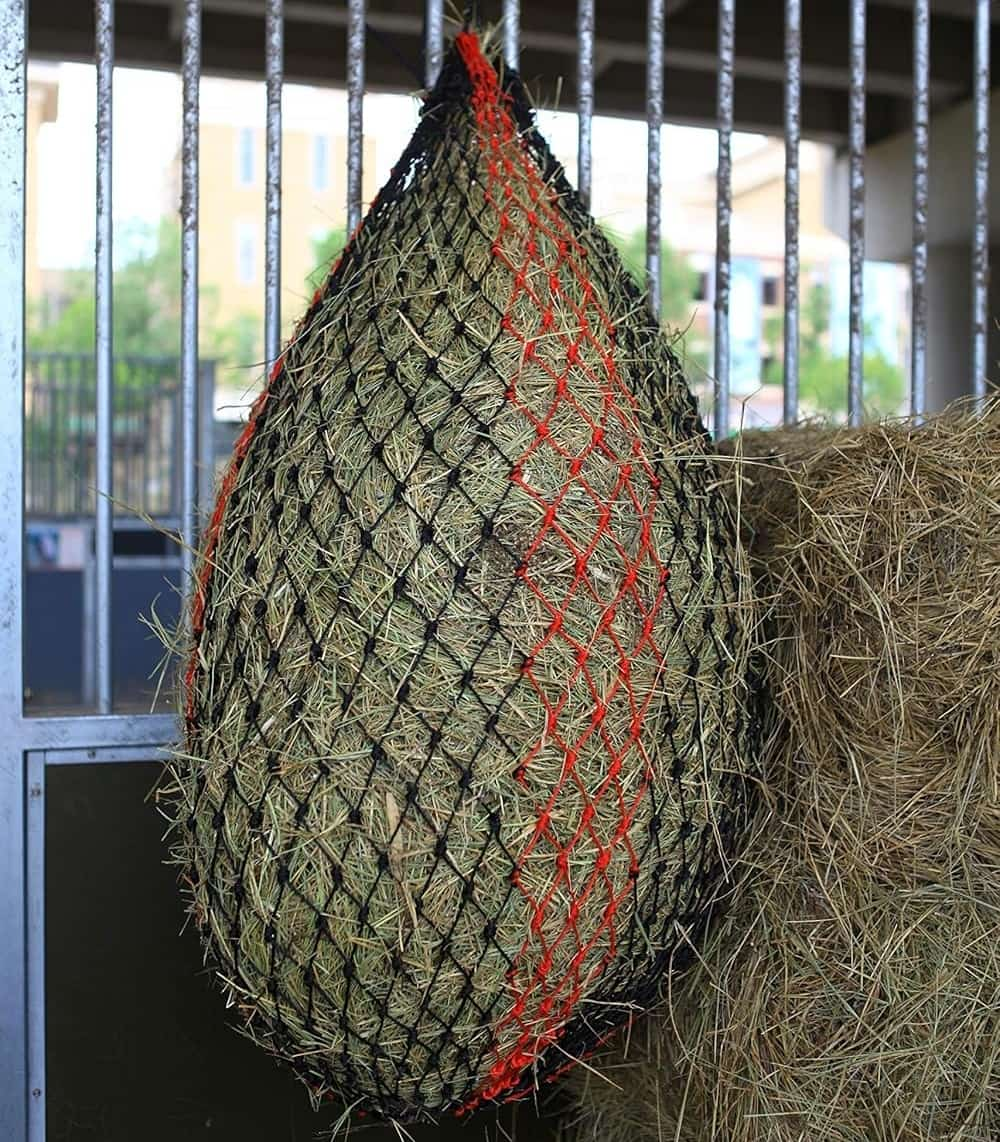
The Weaver Leather Slow Feed Hay Net is a practical slow hay feeder designed to help livestock eat at a more controlled pace while reducing hay waste. Made with durable rope and small mesh openings, this slow feeder hay net allows animals to pull out hay gradually instead of grabbing large amounts at once.
This feeding style encourages more natural grazing behavior and helps hay last longer throughout the day. Thanks to its simple hanging design, it can work as a hanging hay feeder in stalls, trailers, or outdoor pens, making it a flexible option for many livestock setups.
Why We Like It
This slow feeder hay net is an easy and affordable way to improve feeding efficiency. By slowing down how quickly animals consume hay, it helps reduce waste and keeps feeding areas cleaner.
Key Features
● Durable rope slow feeder hay net construction
● Small mesh openings for controlled feeding
● Portable hanging hay feeder design
● Suitable for stalls, trailers, or travel feeding
Pros
✔ Helps reduce hay waste
✔ Encourages slower, more natural feeding
✔ Lightweight and easy to move
Cons
✘ Requires a secure hanging point for installation
Best Outdoor Hay Feeder——Rugged Ranch Pasture Feeder
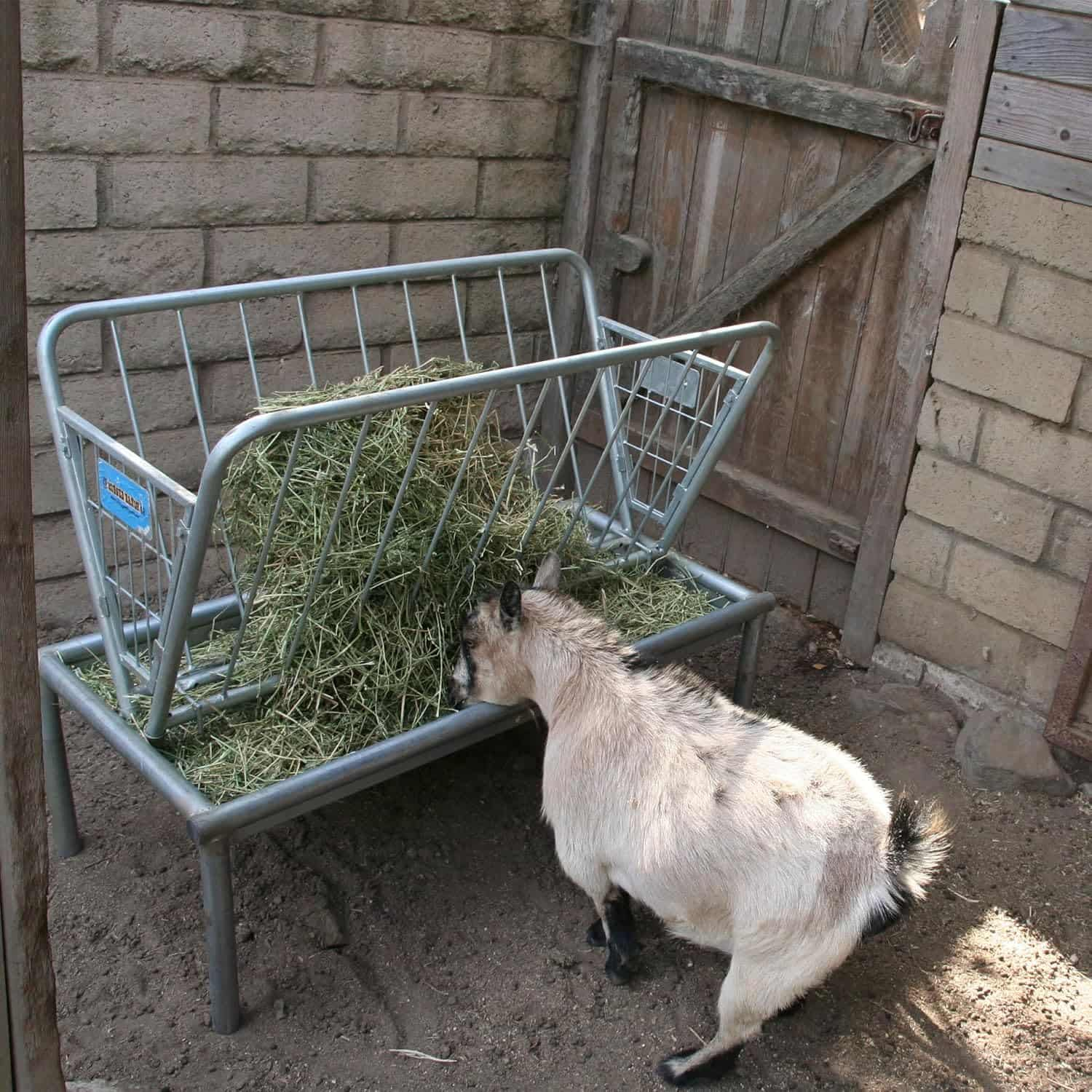
The Rugged Ranch Pasture Feeder is a durable outdoor hay feeder designed for feeding livestock in pastures, paddocks, or open pens. Built with a sturdy galvanized steel frame, this metal hay feeder is made to withstand outdoor weather while providing a reliable feeding station for animals.
Its open rack design keeps hay elevated so animals can easily access it without pulling large amounts onto the ground. The built-in deep feed pan also helps catch loose hay and small pieces that fall during feeding, making it an effective hay bale feeder for reducing waste in outdoor feeding areas.
Why We Like It
This pasture hay feeder offers a strong and stable design that works well for outdoor livestock feeding. The deep feed pan helps reduce waste by catching dropped hay, keeping feed cleaner and more accessible.
Key Features
● Heavy-duty galvanized steel metal hay feeder frame
● Deep feed pan to catch loose hay and reduce waste
● Suitable as a hay feeder for goats, sheep, and small livestock
● Stable base design helps prevent tipping in pasture areas
Pros
✔ Ideal outdoor hay feeder for pasture feeding
✔ Durable and weather-resistant construction
✔ Helps keep hay off the ground and reduce waste
Cons
✘ Heavier than portable feeder options
Best Portable Hay Feeder——Derby Originals Supreme 4-Sided Slow Feed Hay Bag
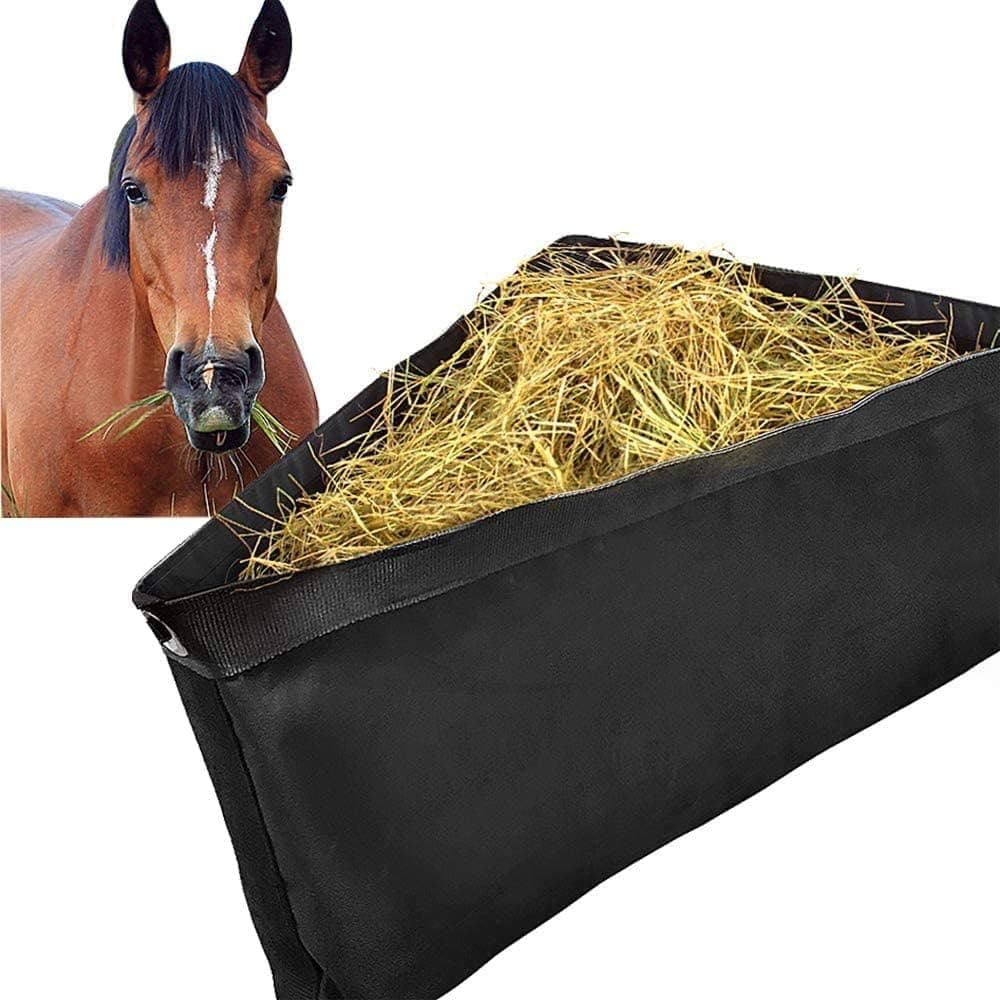
The Derby Originals Supreme 4-Sided Slow Feed Hay Bag is a convenient portable hay feeder designed for stalls, trailers, and travel feeding. Its patented four-sided design allows animals to access hay from multiple openings while still controlling how quickly they eat. This slow feeder hay net style design helps reduce hay waste and encourages a more natural, slower feeding pattern.
Because of its hanging design, it works well as a hanging hay feeder for barns, trailers, or temporary feeding setups. The reinforced fabric construction is built to handle daily use, making it a reliable hay holder for horse owners and small livestock keepers who need a portable feeding solution.
Why We Like It
This portable hay feeder offers a practical slow-feeding solution that can be easily hung in different locations. The four feeding openings allow multiple animals to access hay while still limiting how quickly they can pull it out.
Key Features
● Patented four-sided slow feeder hay net openings
● Durable reinforced fabric construction
● Portable hanging hay feeder design
● Ideal for stalls, trailers, or travel feeding
Pros
✔ Lightweight and easy to move
✔ Helps reduce hay waste with slow-feed openings
✔ Multiple feeding access points
Cons
✘ Smaller capacity compared to traditional rack feeders
FAQ About Hay Feeders
Q1: What is the best hay feeder to reduce waste?
The best hay feeder for reducing waste is typically a slow hay feeder or a slow feeder hay net. These designs limit how much hay animals can pull out at once, preventing them from scattering it on the ground. A well-designed no waste hay feeder or a feeder with a tray can also help catch dropped hay and keep feeding areas cleaner.
Q2: Are slow hay feeders better for livestock?
Yes, a slow hay feeder is often better for livestock because it encourages more natural grazing behavior. Animals eat smaller amounts over time instead of consuming large portions quickly. This not only reduces waste but can also support better digestion, especially for animals using a horse hay feeder or goat hay feeder.
Q3: What type of hay feeder is best for goats?
A goat hay feeder should be sturdy, easy to access, and designed to minimize waste. Options like a wall mount hay feeder or a slow hay feeder work well because goats tend to pull hay out and drop it. Choosing a feeder that keeps hay contained helps reduce mess and save feed.
Q4: How do you keep hay off the ground?
To keep hay off the ground, use a wall hay feeder, hanging hay feeder, or a raised metal hay feeder. These designs keep hay elevated and prevent animals from stepping on or contaminating it. Using a slow feeder hay net can also help control how hay is pulled out and reduce spillage.
Q5: Do hay feeders really save money?
Yes, using a hay feeder can significantly reduce feed waste, which lowers overall feeding costs over time. A no waste hay feeder or hay bale feeder helps ensure more hay is actually eaten instead of being trampled or spoiled, making it a cost-effective investment for small farms and livestock owners.
Q6: What is the most durable hay feeder material?
Metal hay feeders, especially those made from galvanized steel, are typically the most durable option. They can withstand outdoor weather and heavy use, making them ideal for long-term feeding setups.
Final Thoughts: Choosing the Right Hay Feeder for Your Needs
Choosing the right hay feeder can make a significant difference in reducing waste, keeping feeding areas clean, and improving overall efficiency on your farm. With so many options available, the best choice depends on your livestock, feeding setup, and daily routine.
Different types of hay feeders serve different purposes. A wall mount hay feeder works well in barns and stalls, while a slow hay feeder can help control feeding speed and reduce waste. For outdoor use, a durable feeder designed for pasture feeding is often the better option, while a portable or hanging hay feeder offers flexibility for temporary setups or travel.
Ultimately, the best hay feeder is one that fits your animals’ feeding habits, minimizes waste, and makes daily feeding easier. By choosing the right design and setup, you can create a cleaner, more efficient feeding environment for your livestock. Take time to evaluate your setup and feeding needs to choose a hay feeder that delivers the best results for your farm.
More to read: